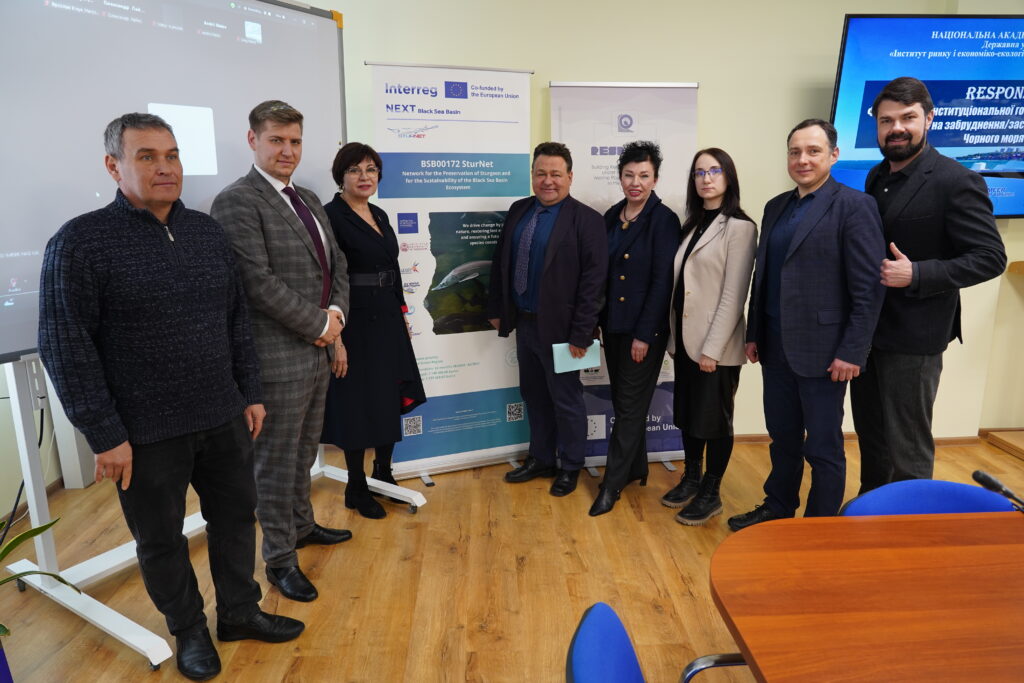
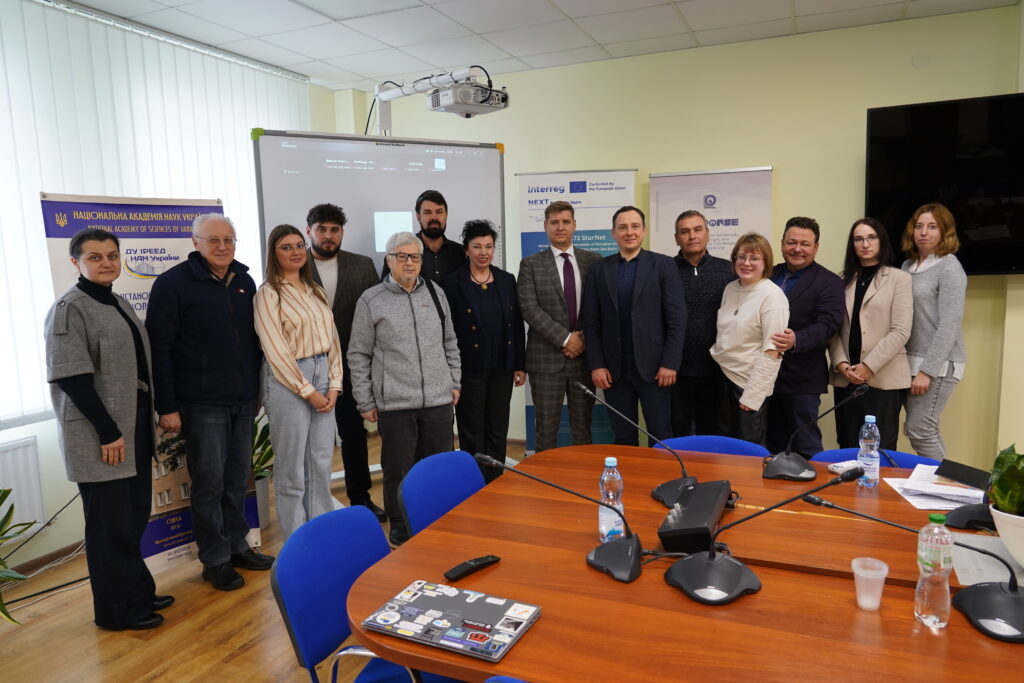
On February 27, 2026, a seminar titled «Organisation and Implementation of Training Courses on Marine Pollution Management (including pollution caused by military aggression)» was held within the framework of the international project RESPONSE «Building Response Frameworks under existing and new Marine Pollution Challenges in the Black Sea». The event was organised by the State Organization «Institute of Market and Economic & Ecological Research of the National Academy of Sciences of Ukraine» together with the Black Sea Branch of the Ukrainian Environmental Academy of Sciences.
The seminar was opened with welcoming remarks by the Director of the Institute, Academician Borys Burkynskyi, who emphasised the importance of strengthening institutional capacity to respond to marine pollution in the Black Sea, particularly under the conditions of military aggression and growing environmental risks for coastal ecosystems.
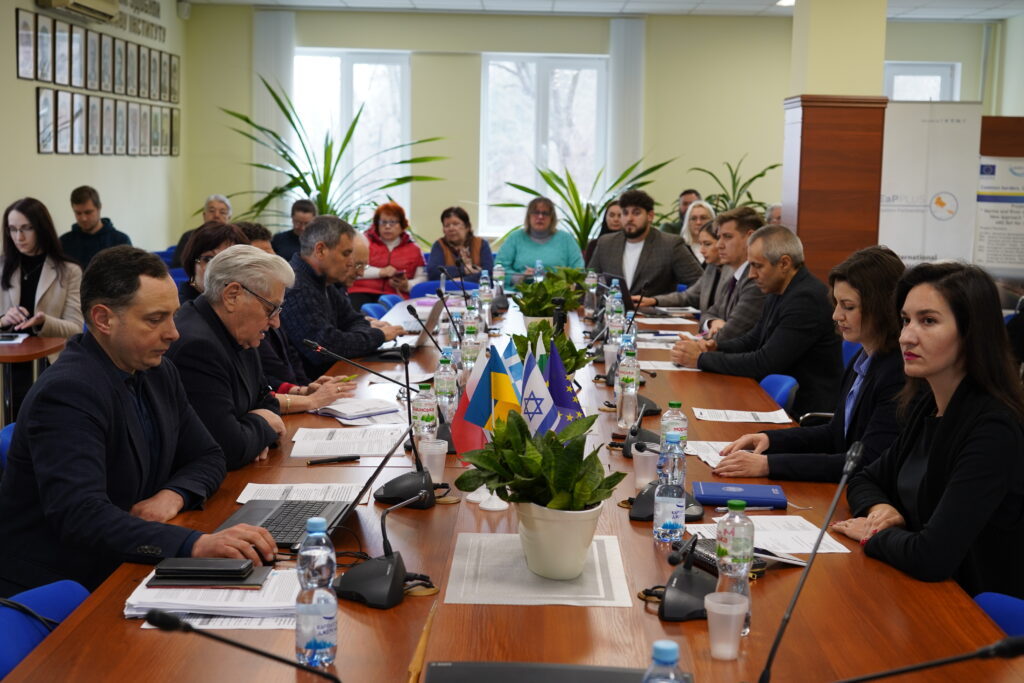
The event brought together representatives of governmental bodies, environmental authorities, scientific institutions, universities, and environmental organisations involved in marine environmental protection and emergency response in the Black Sea region.
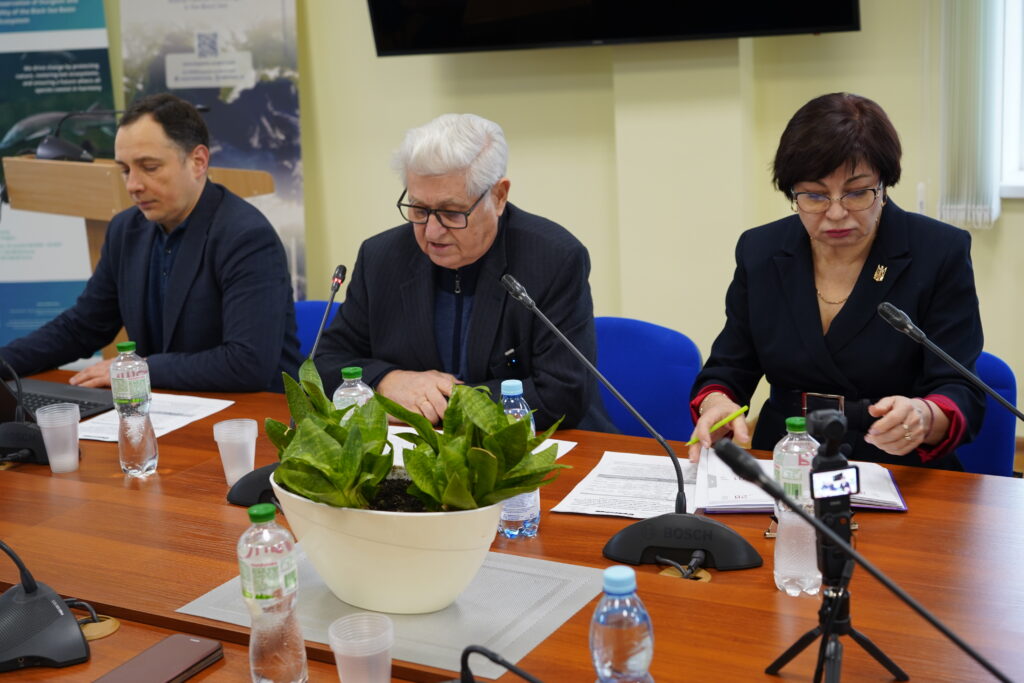
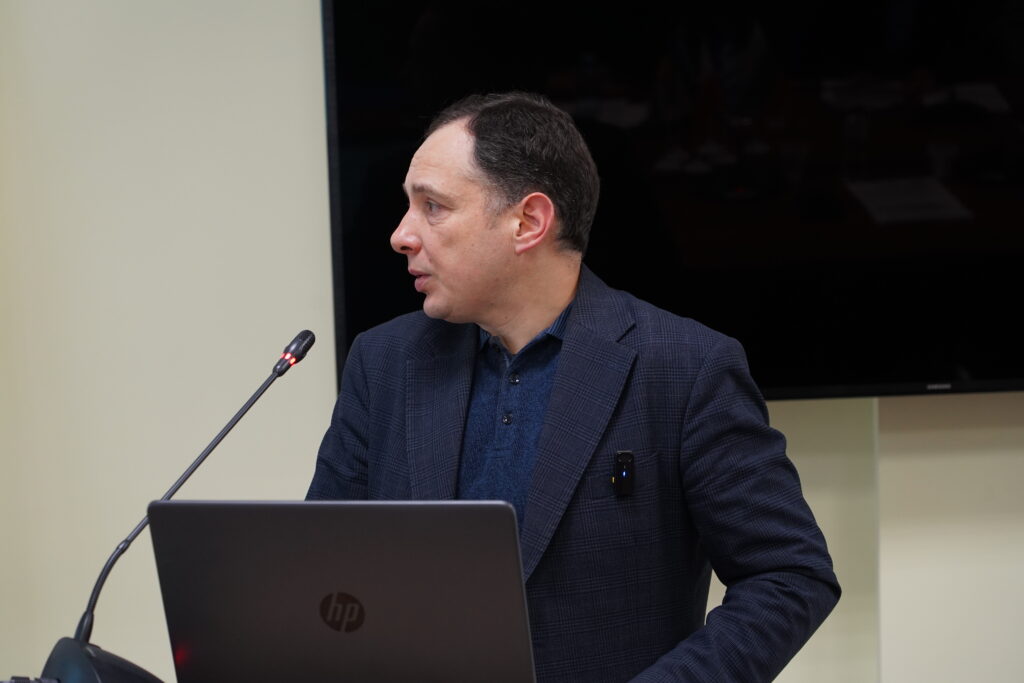
Key points of the event:
- Presentation of the RESPONSE project objectives, including the development of improved training programmes for monitoring, reporting, management and mitigation of marine pollution.
- Discussion of institutional frameworks and governance mechanisms for responding to marine pollution in the Black Sea region.
- Consideration of monitoring approaches and research infrastructures necessary for detecting and assessing pollution of marine ecosystems.
- Development and presentation of the structure of training programmes aimed at preparing specialists to respond to environmental emergencies in marine ecosystems.
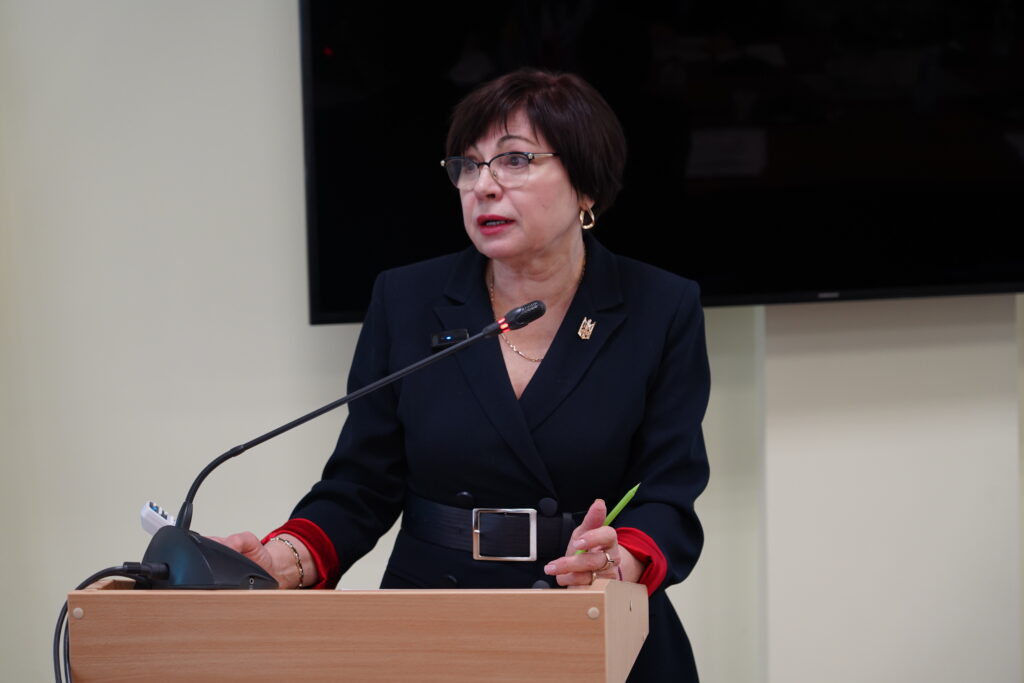
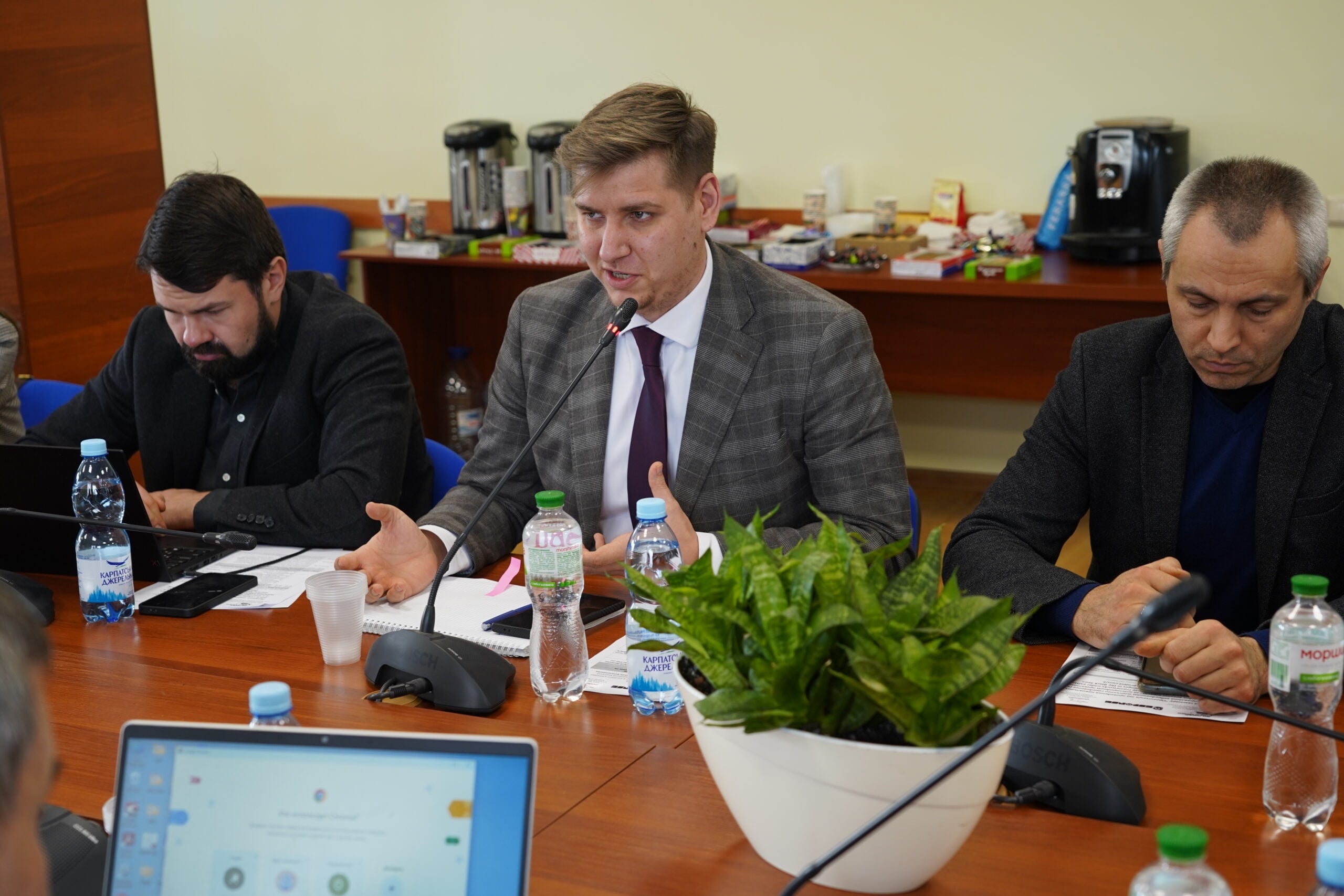
Particular attention was paid to the environmental consequences of military activities in the Black Sea basin, including pollution caused by armed conflict, oil spills, and other anthropogenic impacts affecting marine ecosystems and biodiversity. Experts discussed the importance of integrating these challenges into training programmes for specialists involved in environmental monitoring and emergency response.
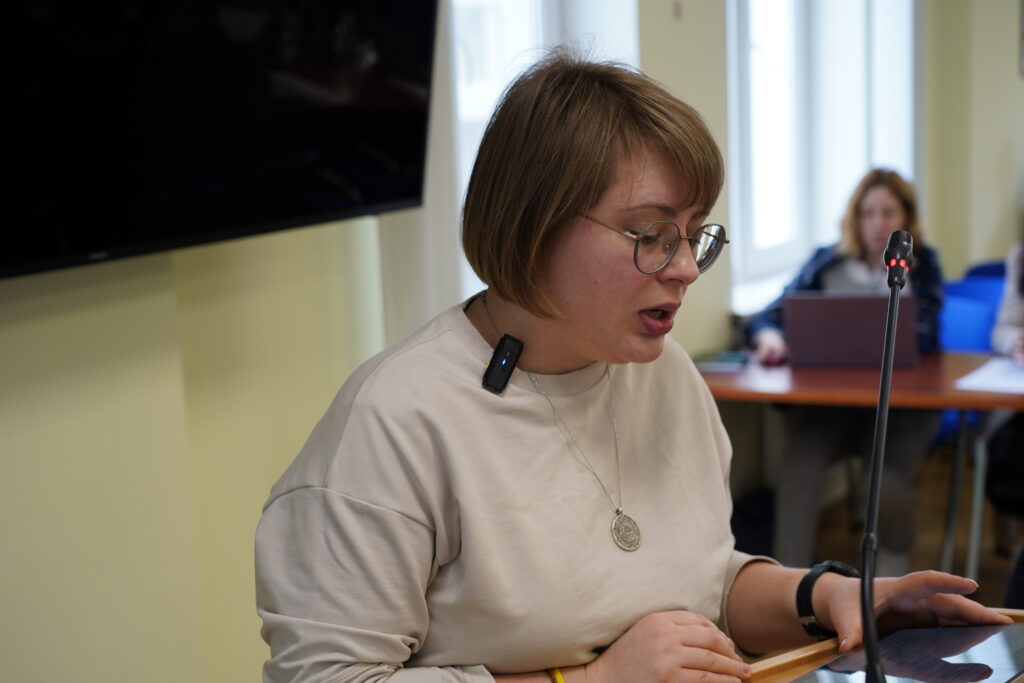
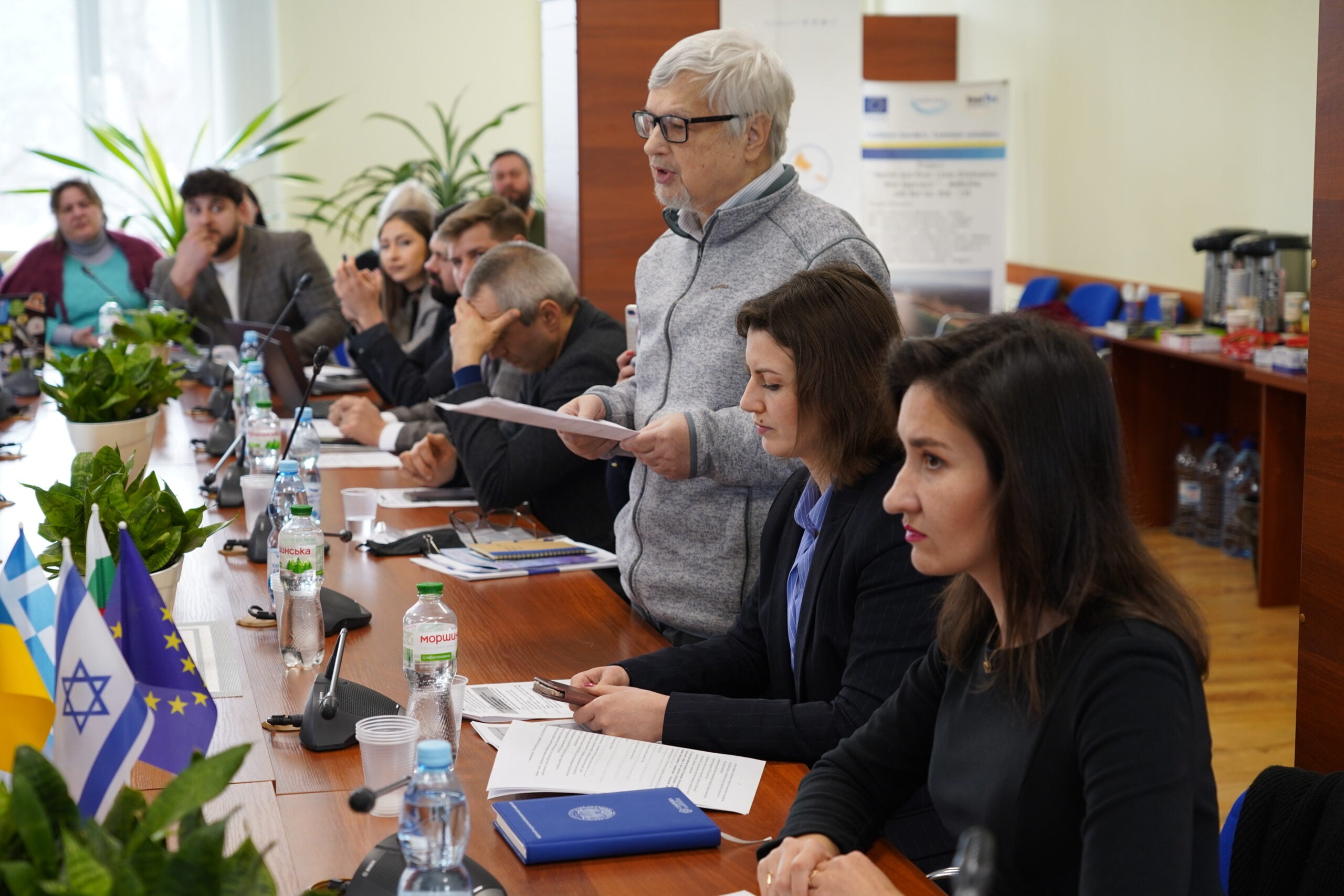
The seminar also included presentations on the geography and characteristics of the Black Sea, sources and classification of marine pollution, as well as monitoring approaches and regulatory frameworks related to environmental protection in the context of war-related risks. Special attention was given to the role of volunteers and civil society in responding to environmental emergencies and mitigating the consequences of technological and environmental disasters.
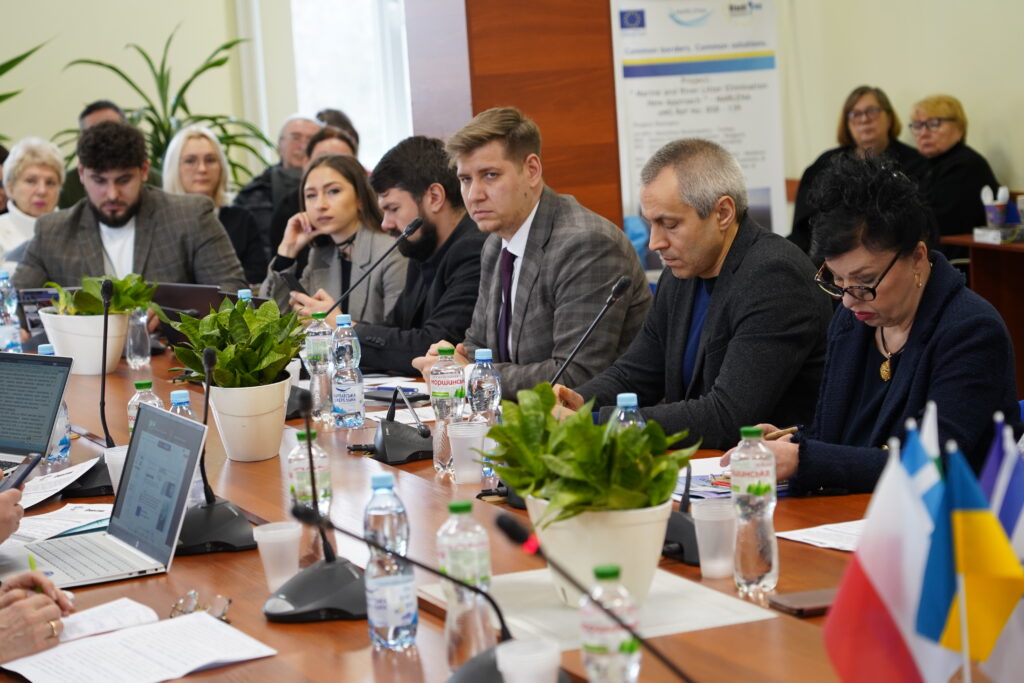
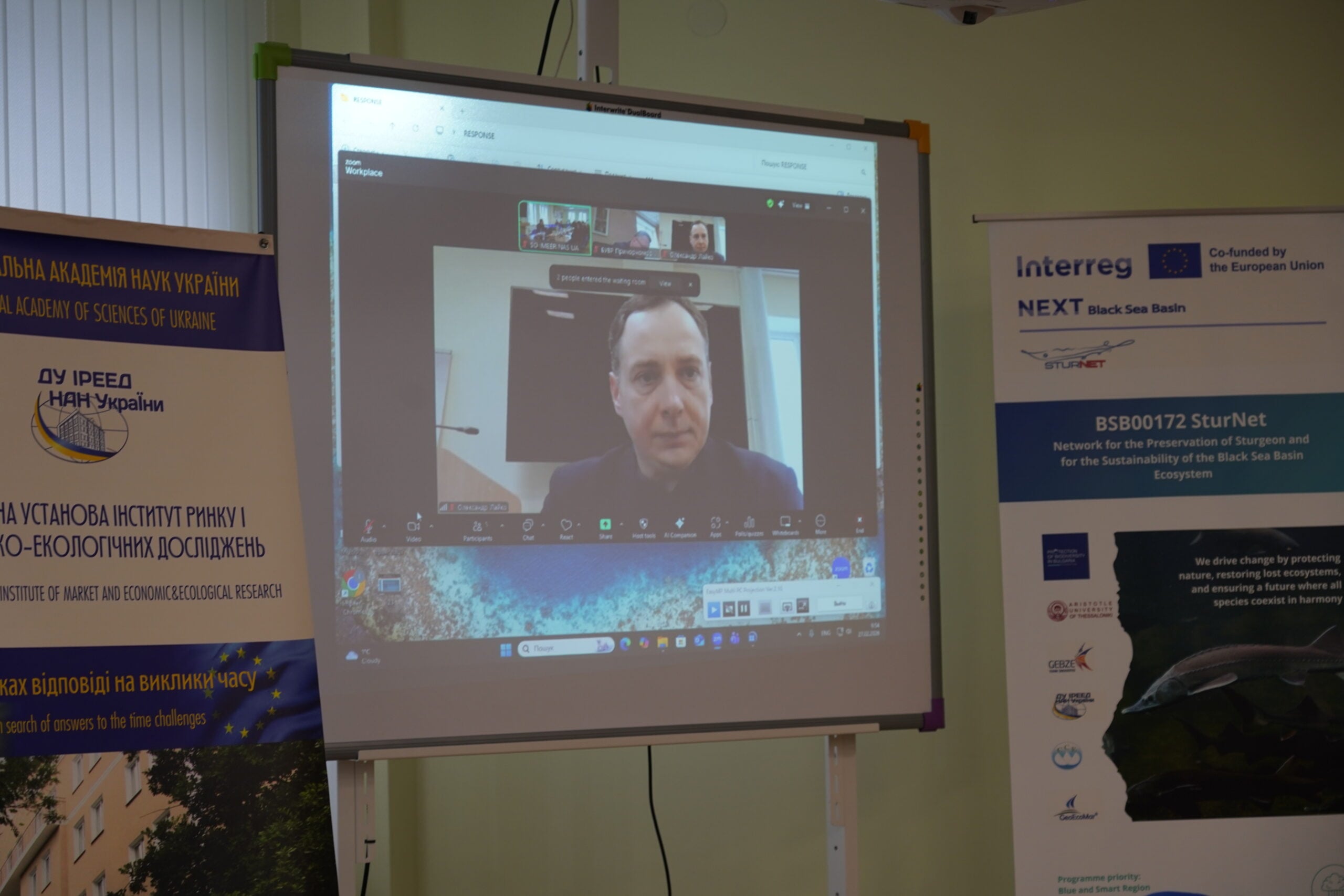
Later on the same day, an online information meeting within the RESPONSE project was held with the participation of representatives from several Black Sea countries, including Moldova and Turkey. The meeting presented the RESPONSE project in the regional context and introduced the structure of the digital training tools (E-folio) developed for the project.
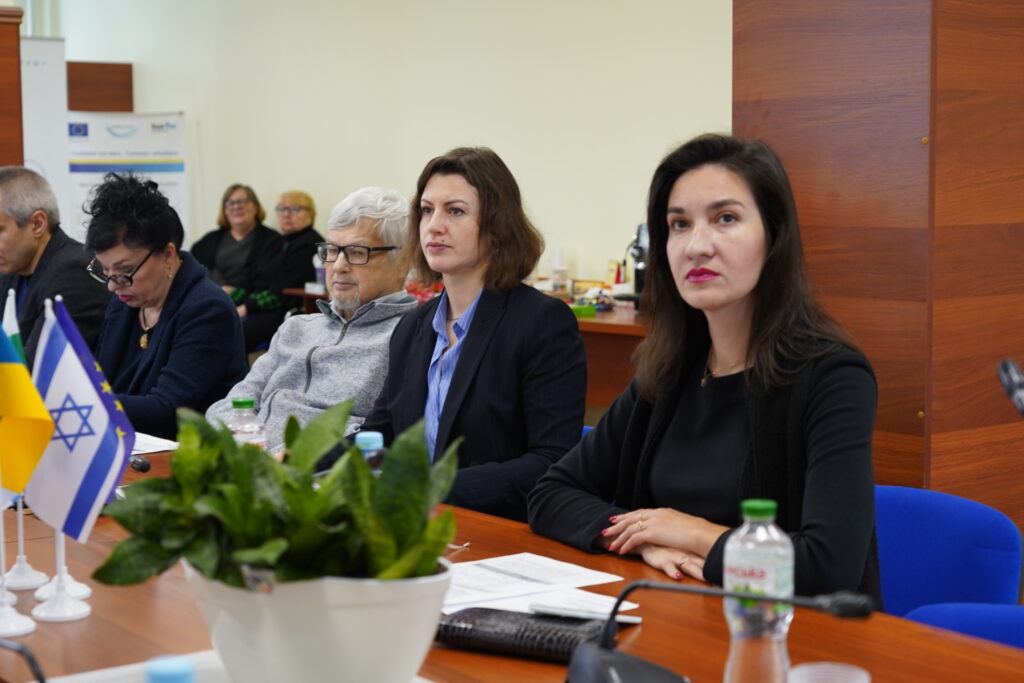
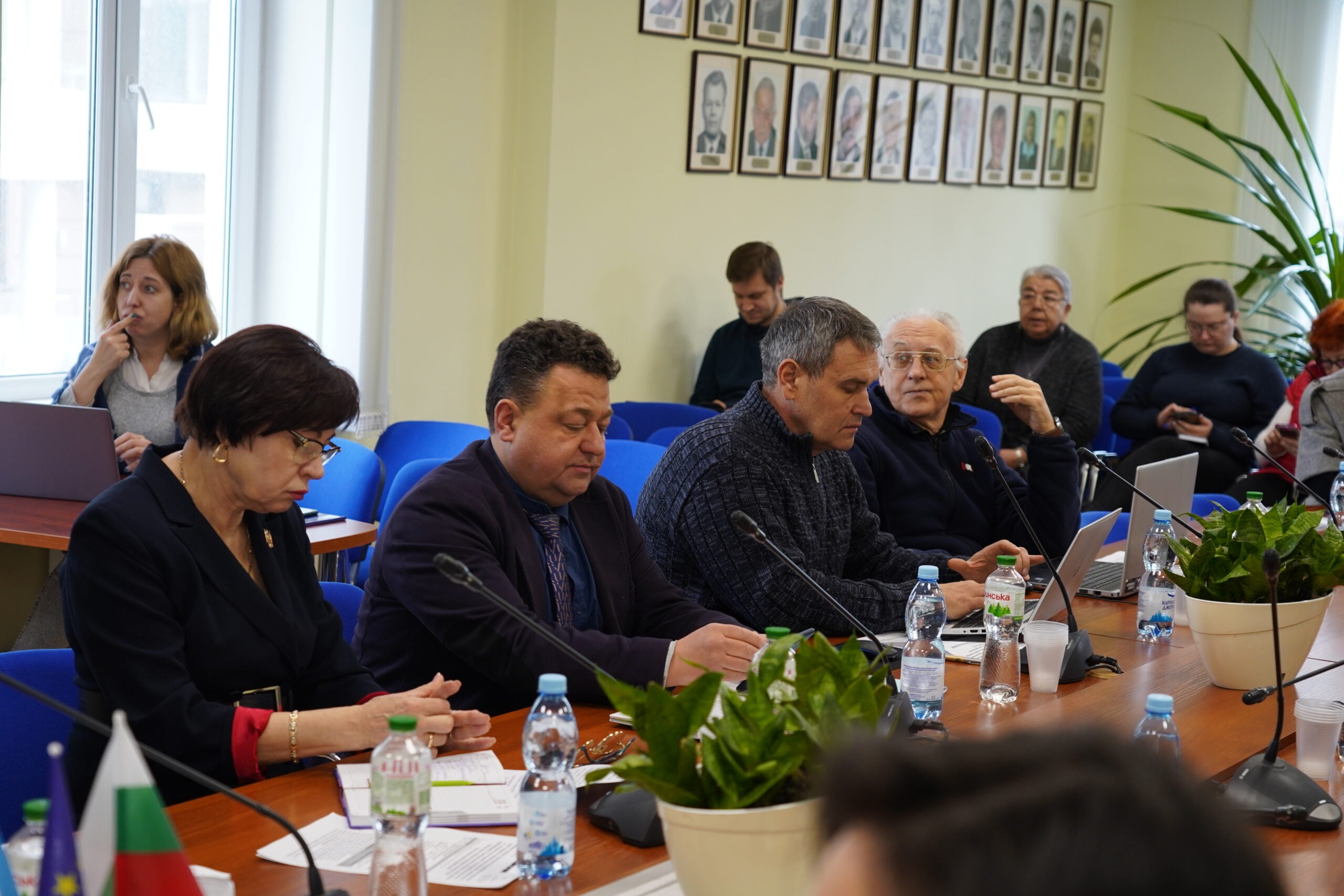
Participants discussed the structure of the training programme, the key challenges associated with research into marine pollution, and the environmental characteristics of the Black Sea that must be considered when developing response mechanisms. The discussions highlighted the importance of international cooperation and knowledge exchange between scientific institutions, governmental authorities, and civil society organisations in order to strengthen regional preparedness for marine pollution incidents.
Overall, the events contributed to further development of training programmes and institutional frameworks aimed at improving readiness to respond to marine pollution and environmental emergencies in the Black Sea region.